
Peripheral artery disease (PAD)is a chronic condition in which narrowed or blocked arteries reduce blood flow, particularly to the legs. In Turkish, it is sometimes called “shop-window disease” because leg pain may force someone to stop walking and rest, as if looking in a shop window. Prof. Dr. Selim İsbir explains the causes, symptoms, diagnostic tests and treatment options, including balloon angioplasty, stents and surgical bypass, in this patient guide.
What Is PAD?
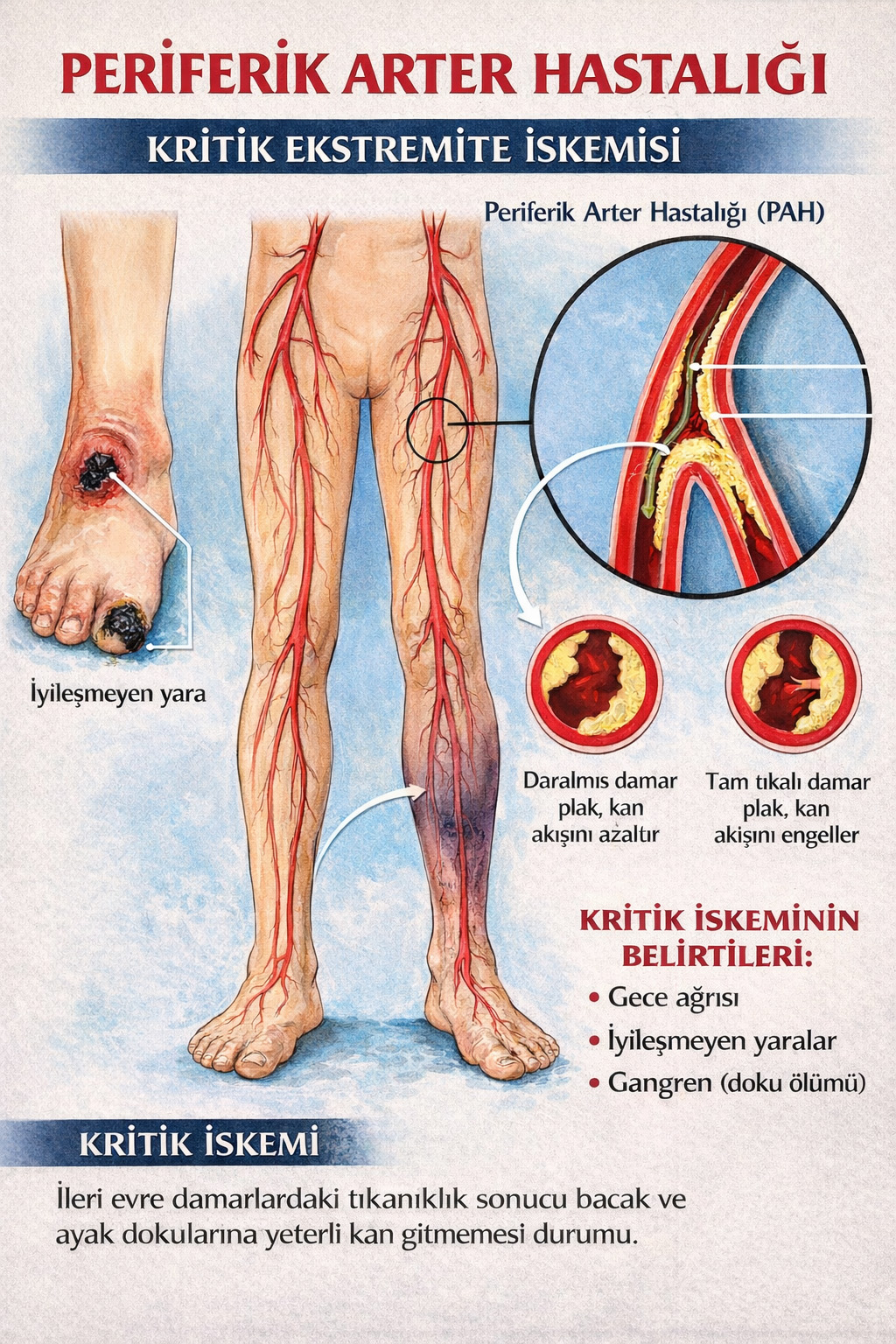
Peripheral artery disease is narrowing or blockage of arteries, especially in the legs. Reduced blood flow limits the oxygen and nutrients reaching the tissues.
- It becomes more common with increasing age
- Diabetes increases the risk and can make the disease more severe
- It affects both men and women; age and other cardiovascular risk factors influence risk
- It can develop without obvious symptoms, delaying diagnosis
What Increases the Risk?
- Smoking
- Diabetes
- High blood pressure
- High cholesterol
- Physical inactivity
What Are the Symptoms?
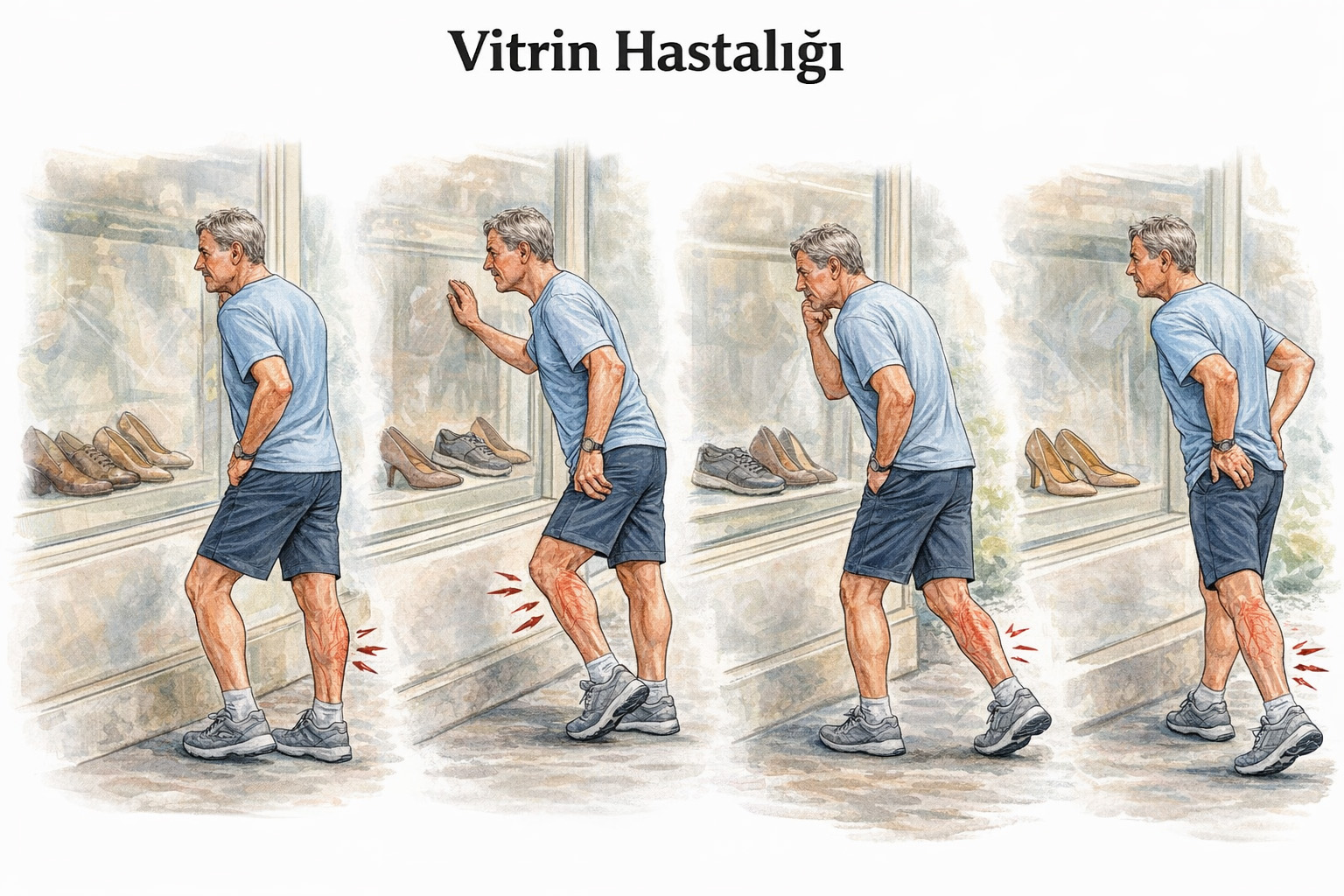
Leg pain when walking that improves with rest is called intermittent claudication. The need to stop and rest may resemble pausing to look at shop windows. This is the origin of the Turkish nickname “shop-window disease” for this condition.
- Coldness and changes in skin colour
- Numbness in the foot
- Wounds that do not heal
How Is It Diagnosed?
- Clinical examination, including pulse checks and comparison of ankle and arm blood pressure when appropriate
- Doppler ultrasound
- Angiography when needed
Treatment Options
- Lifestyle changes, including stopping smoking and an appropriate walking programme
- Medicines to manage cardiovascular risk and symptoms
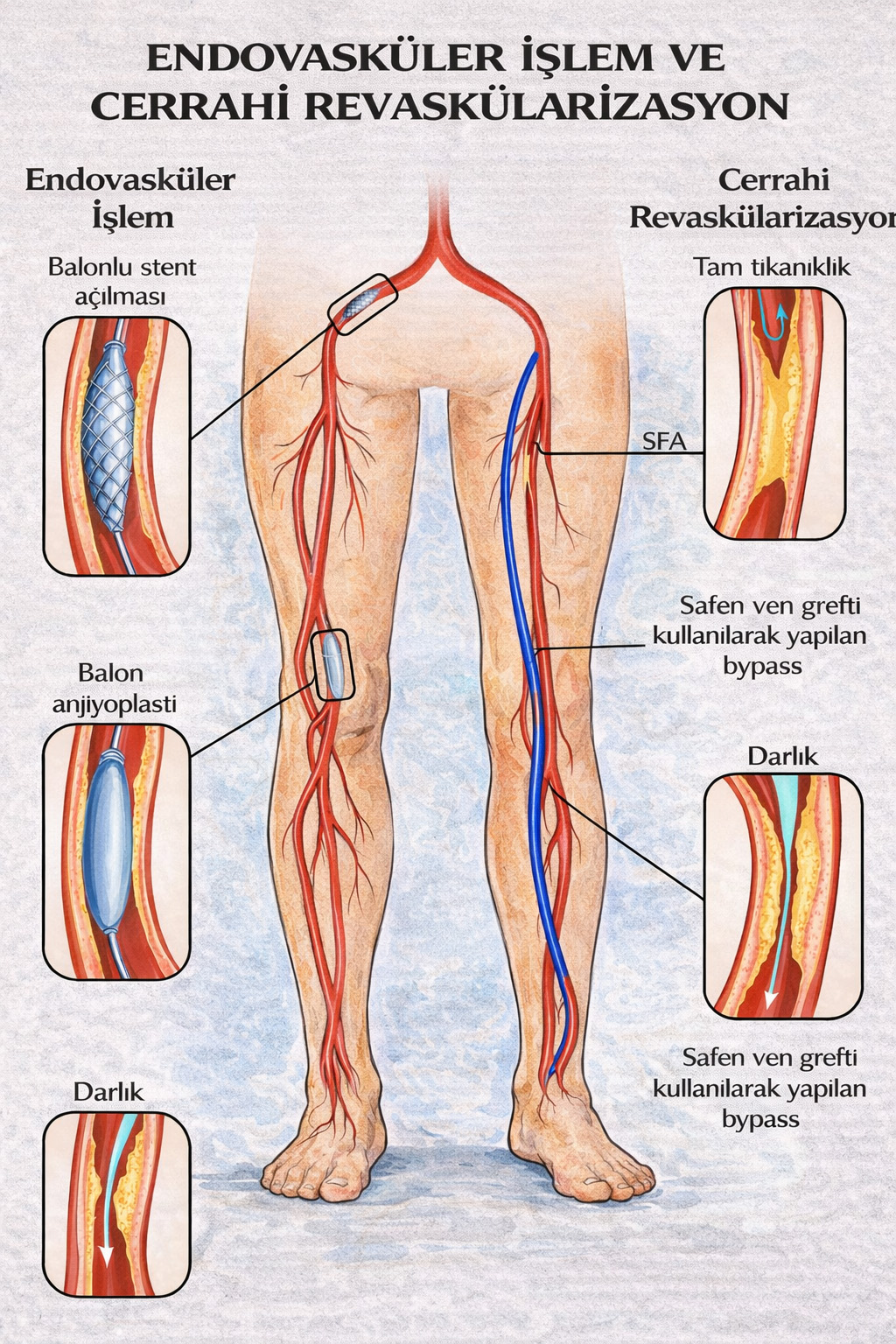
- Balloon angioplasty, with or without a stent, in suitable patients
- Surgical bypass when indicated
Why Does Early Treatment Matter?
Early diagnosis and appropriate treatment can improve symptoms and reduce the risk of progression. Advanced disease can cause ulcers, gangrene and limb loss.
An Important Reminder PAD is a marker of atherosclerosis and is associated with a higher risk of heart attack and stroke. Regular follow-up and management of cardiovascular risk factors are therefore important.
Frequently Asked Questions
What is peripheral artery disease?
PAD is narrowing or blockage of arteries, especially in the legs. It reduces the supply of blood and oxygen to the tissues and becomes more common with age.
What does “shop-window disease” mean?
This is a Turkish nickname for PAD. Walking may bring on leg pain that makes a person stop and rest, sometimes as if looking in a shop window. This pattern of exertional pain relieved by rest is called intermittent claudication.
How is PAD treated?
Treatment may include stopping smoking, an appropriate exercise programme, medicines, balloon angioplasty or stenting, and surgical bypass. The choice depends on symptoms, the location of the blockage and the condition of the limb. Treatment helps control symptoms and reduce complications; it is not a guaranteed cure.
Why can PAD be dangerous?
Severe disease can lead to non-healing ulcers, gangrene and limb loss. People with PAD also have an increased risk of heart attack and stroke, so regular follow-up and cardiovascular risk management are essential.
Book an Appointment
Prof. Dr. Selim İsbir — Yeditepe University Koşuyolu Hospital


