
What Is CTEPH?
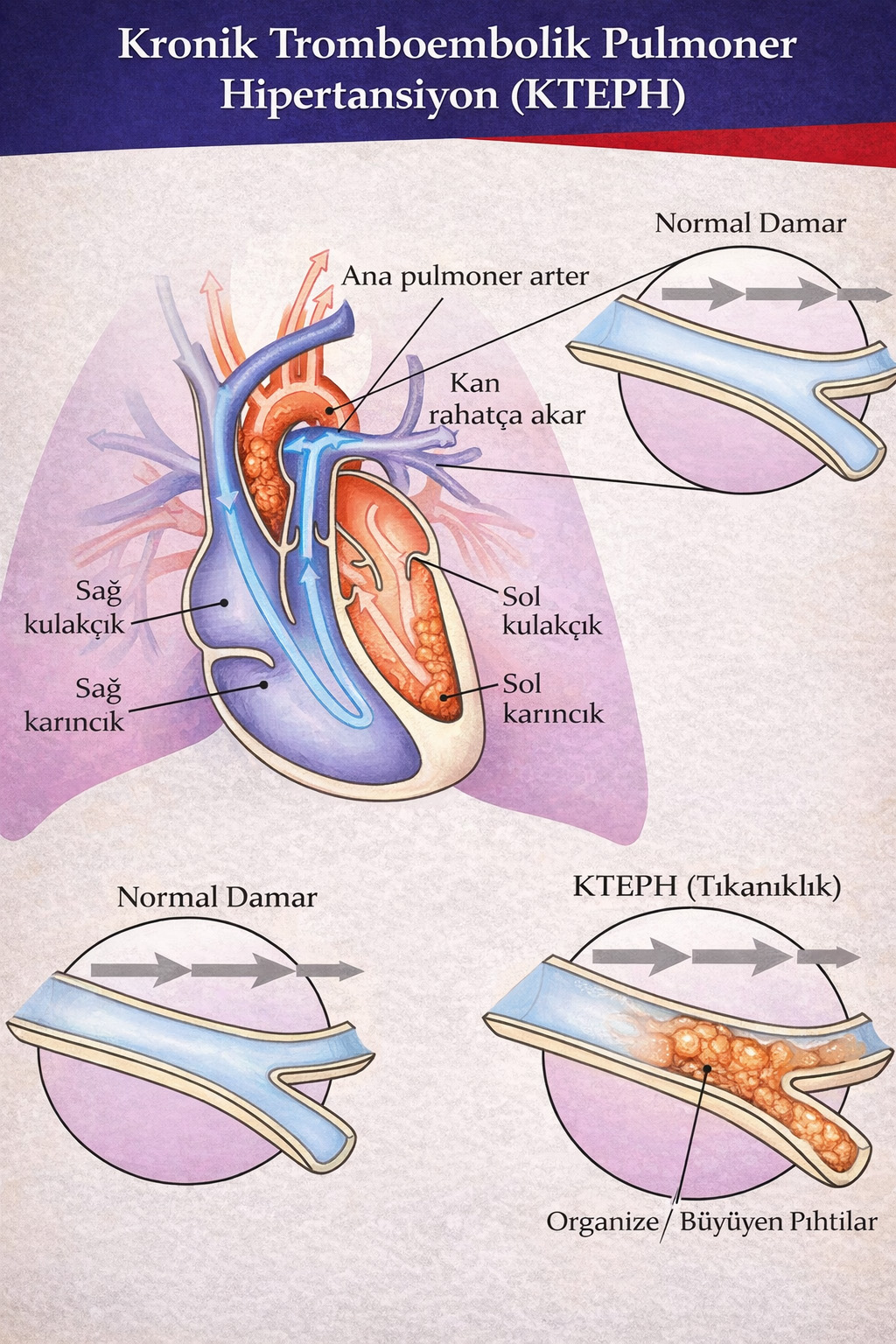
Chronic thromboembolic pulmonary hypertension develops when blood clots in the lung arteries do not resolve completely and become organised scar-like material. Persistent obstruction and changes in the pulmonary vessels raise pressure in the lung circulation and increase the workload of the right side of the heart.
Why Does It Develop?
After a pulmonary embolism, some blood clots may fail to resolve and become organised material that narrows or blocks the pulmonary arteries. A previous pulmonary embolism and some clotting disorders are relevant to CTEPH. Other factors below, such as immobility and major surgery, mainly increase the risk of venous clots and pulmonary embolism:
- Previous pulmonary embolism
- Certain clotting disorders
- Prolonged immobility, a risk factor for venous clots
- Major surgery, a risk factor for venous clots
What Are the Symptoms?
- Shortness of breath, especially during activity
- Becoming tired easily
- Palpitations
- Chest pain
- Fainting, particularly in advanced disease
How Is It Diagnosed?
Assessment by a specialist team may include:
- Lung ventilation–perfusion scanning
- Computed tomography (CT)
- Echocardiography
- Pulmonary angiography and other specialist tests when indicated
These tests help assess obstruction in the pulmonary arteries and its effects on the heart. A specialist team determines the full diagnostic work-up.
Treatment Options
CTEPH is treatable. A specialist multidisciplinary team considers the following options:
- Anticoagulant medicines, usually continued lifelong unless a medical reason prevents their use
- Surgery: pulmonary endarterectomy (PEA)
- Balloon pulmonary angioplasty (BPA)
- Medicines that target pulmonary hypertension when indicated
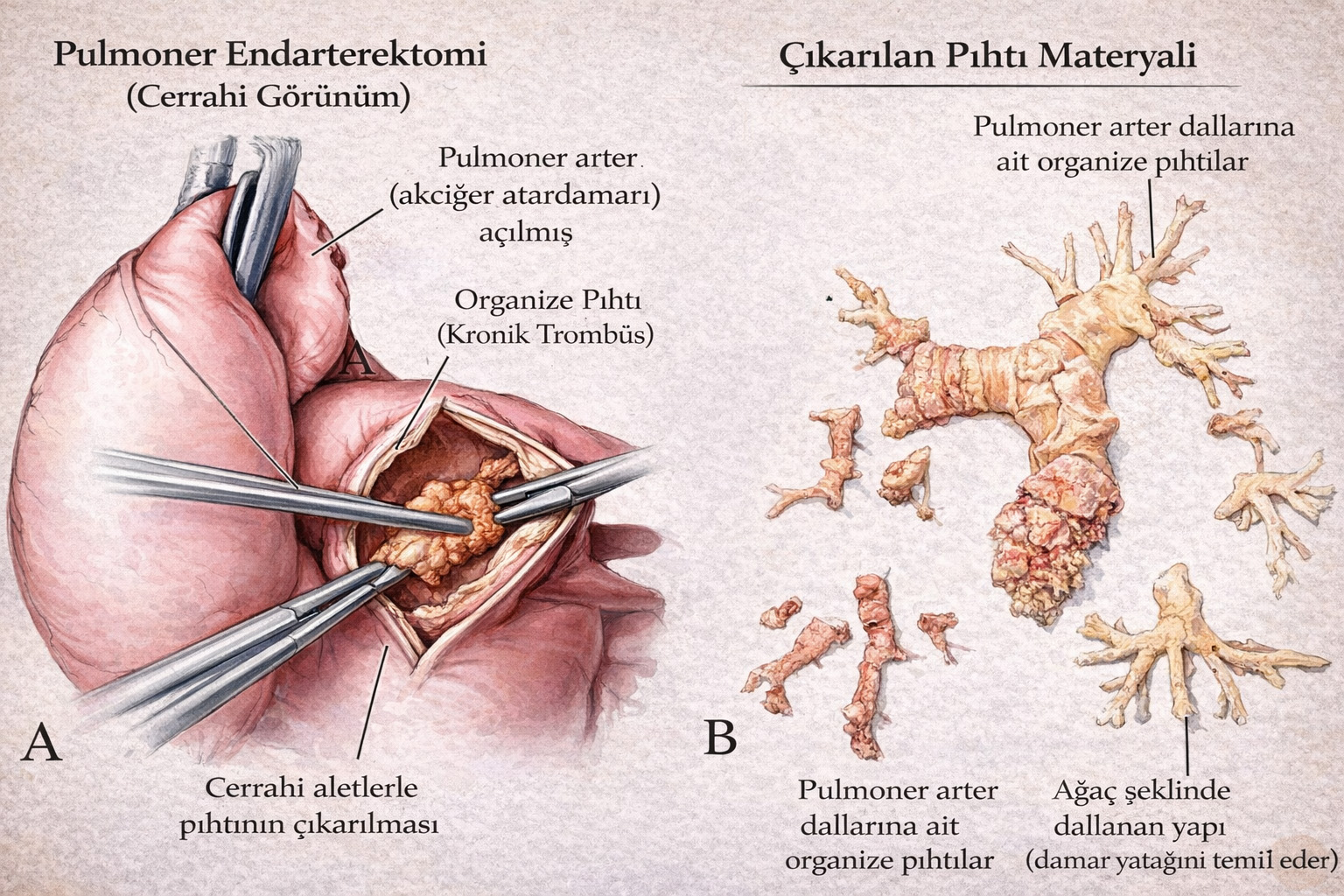
Pulmonary endarterectomy is the preferred treatment for suitable operable disease. Suitability depends on the location of the obstruction, associated small-vessel disease and the patient's overall condition.
Daily Life and Follow-Up
- Attend regular medical reviews
- Take prescribed medicines consistently
- Follow an exercise plan agreed with your medical team
- Avoid prolonged immobility where possible
When Should You Seek Medical Help?
- Breathlessness is getting worse
- Daily activities are becoming difficult
- Fainting or chest pain occurs
Arrange prompt medical assessment. For sudden severe breathlessness, chest pain or fainting, seek emergency care.
Frequently Asked Questions
Book an Appointment
Prof. Dr. Selim İsbir — Yeditepe University Koşuyolu Hospital


