Yeditepe University Hospital

Koşuyolu Street No:168, 34718 Kadıköy, Istanbul

Contact

4447000

Mon - Fri: 9:00 - 17:30

Barlow’s Disease and Mitral Valve Repair

Barlow's diseaseis a form of degenerative mitral valve disease with thickened, enlarged and redundant leaflets. During contraction, the leaflets may bulge into the left atrium, a finding called prolapse, and this can lead to mitral regurgitation. Prof. Dr. Selim İsbir explains the causes, symptoms, diagnosis, mitral valve repair and minimally invasive surgical options in this patient guide.

What Is Barlow's Disease?

Barlow's disease is a form of degenerative mitral valve disease characterised by extensive myxomatous changes, excess leaflet tissue and often prolapse of both leaflets.

The leaflets become thickened and enlarged and may bulge towards the left atrium when the heart contracts.
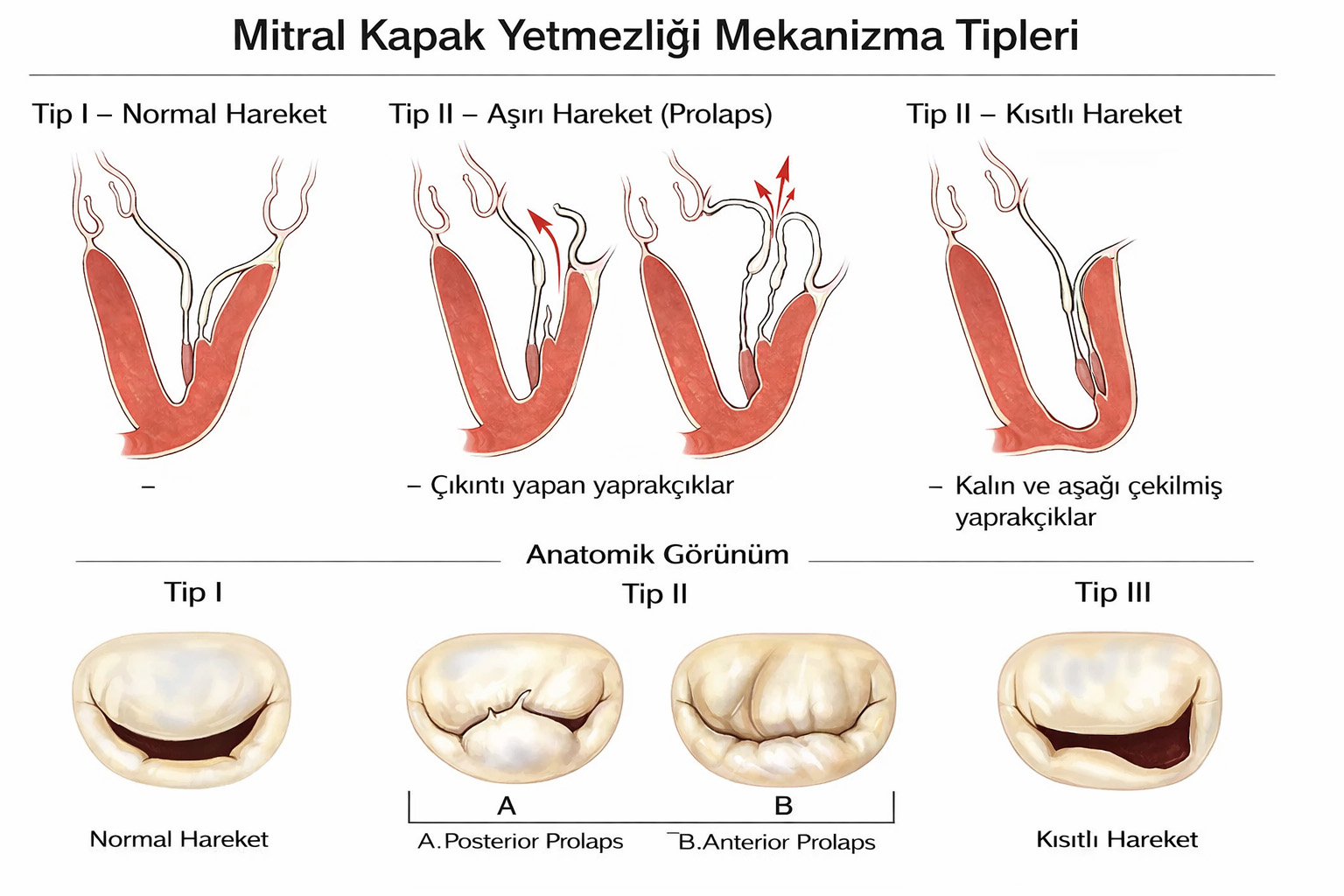
Barlow's disease and mitral valve prolapse
Bulging of the mitral valve leaflets in Barlow's disease

This can prevent proper valve closure and cause mitral regurgitation, in which blood leaks backwards.

Why Does It Develop?

Barlow's disease involves changes in the valve's connective tissue. These may include:

  • Thickening of the leaflets
  • Excess or redundant valve tissue
  • Elongation or rupture of the supporting chords

Who Can Be Affected?

  • Often recognised in younger or middle-aged adults, although it also occurs in older people
  • A family history may be present
  • It may be associated with connective tissue disorders

Symptoms

There may be no symptoms initially. As valve leakage becomes more significant, possible symptoms include:

  • Palpitations
  • Shortness of breath
  • Fatigue
  • Chest discomfort

Symptoms should be assessed in the context of the valve findings and overall heart health.

Diagnosis

Echocardiography is the main test. It assesses:

  • Thickened, redundant leaflets
  • Prolapse involving both leaflets
  • Elongated or ruptured chords
  • The severity of mitral regurgitation

Treatment

Mild disease may only require regular follow-up. Surgery may be considered according to valve severity and findings such as:

  • Severe mitral regurgitation
  • Development of symptoms
  • Changes in left ventricular size or function

Surgical Treatment

When surgery is indicated and a durable result is feasible, the preferred approach is:

👉 Mitral Valve REPAIR

Repair techniques may include:

  • Artificial chords (neochordae)
  • Leaflet resection or plication
  • An appropriately sized annuloplasty ring
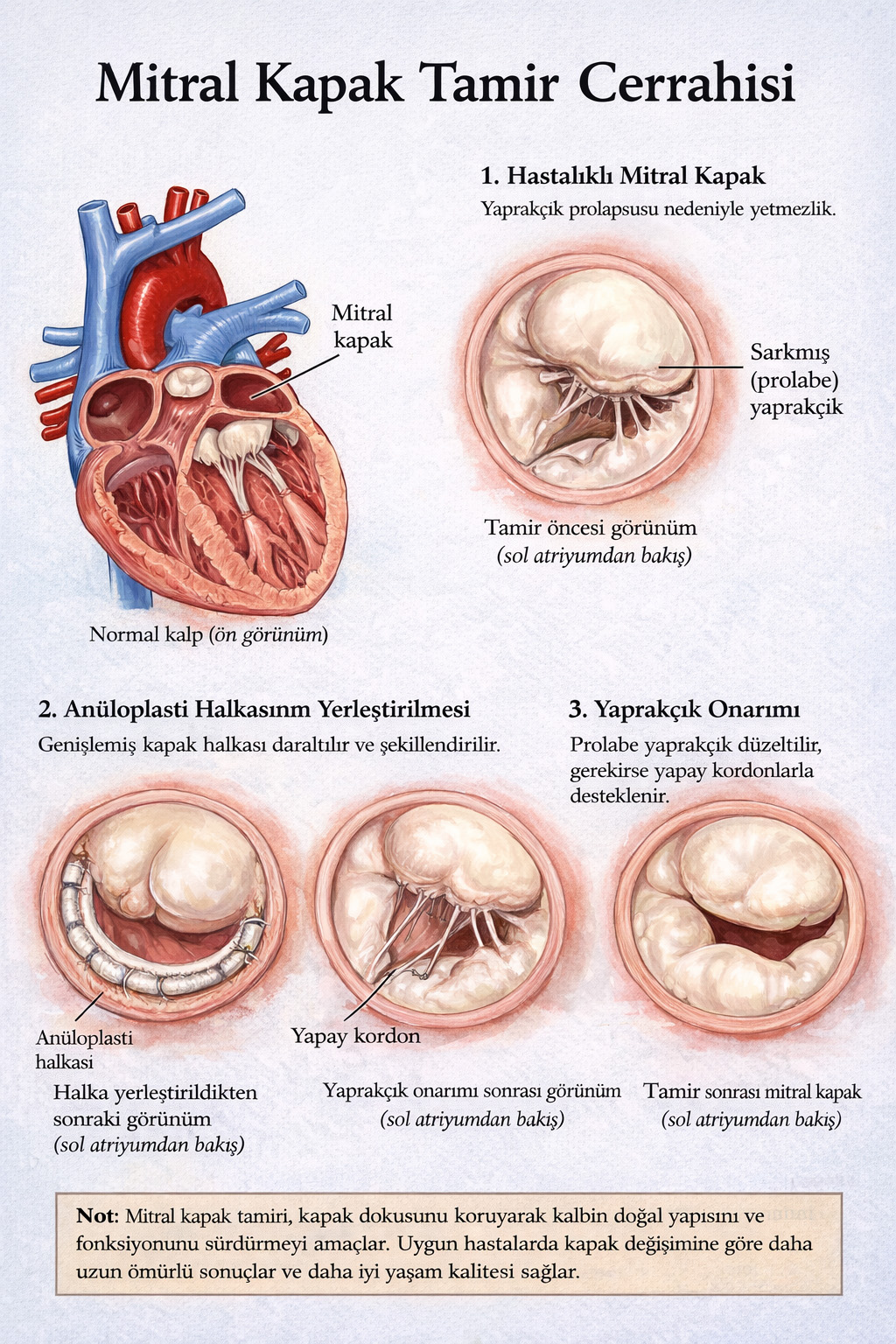
Mitral valve repair techniques for Barlow's disease
Repair of Barlow's disease using neochordae and an annuloplasty ring
Important Information Repair can be complex because there is excess tissue and several valve segments may be affected. Assessment and treatment by a team experienced in mitral valve repair are important.

A Minimally Invasive Approach

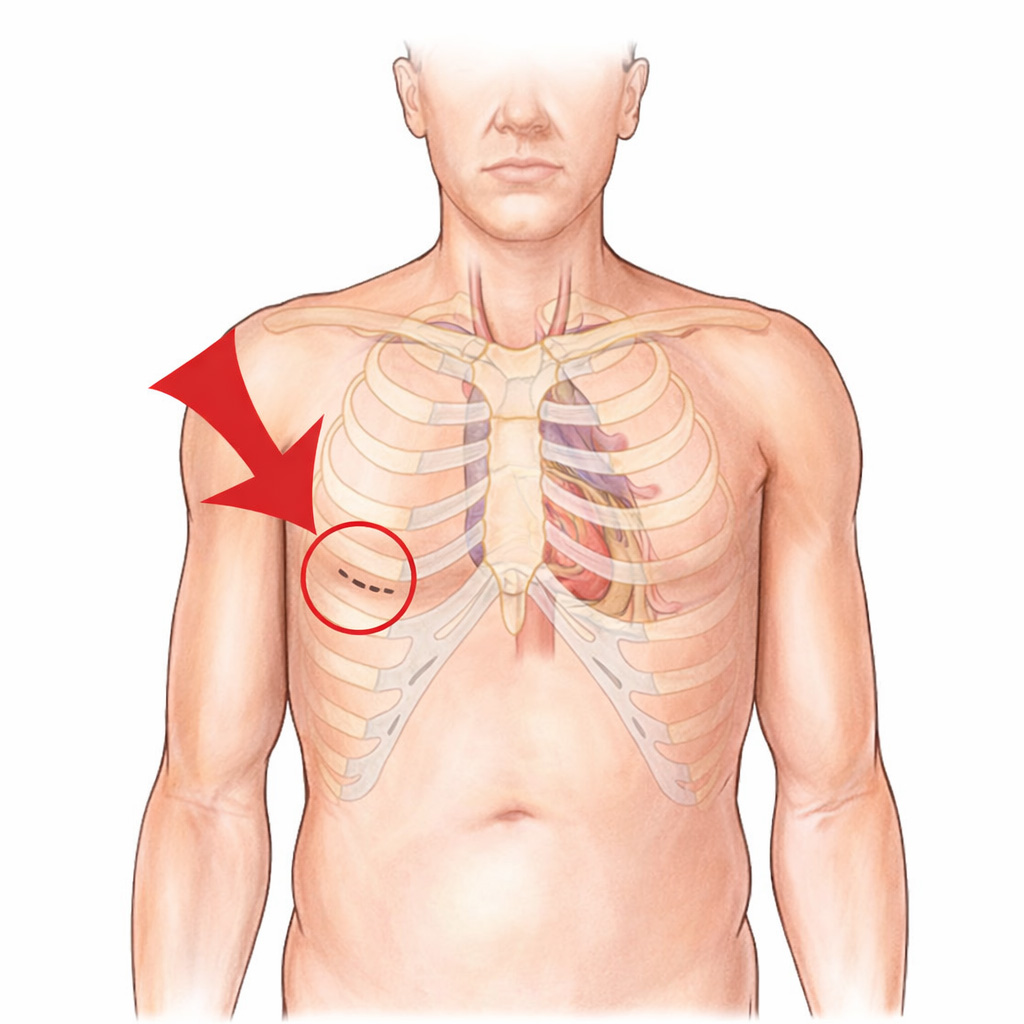
Minimally invasive mitral valve repair through a right mini-thoracotomy
Right mini-thoracotomy for minimally invasive mitral valve repair

Suitable patients may have repair through a small incision on the right side of the chest. Potential benefits include:

  • A smaller incision
  • A potentially faster recovery in suitable patients
  • Potentially less postoperative discomfort

Outlook

Barlow's disease is a complex mitral valve condition, but durable repair can be achieved in suitable cases by experienced teams. Results depend on the valve anatomy, procedure and patient's condition. Long-term follow-up remains necessary.

Prof. Dr. Selim İsbir's Approach For suitable patients with severe mitral regurgitation, the approach described here prioritises repair through a small incision below the right breast. If the valve cannot be repaired reliably, replacement is considered. The surgical plan is individualised.

Frequently Asked Questions

What is Barlow's disease?
It is a form of degenerative mitral valve disease with thickened and redundant leaflets, often affecting both leaflets. They may bulge into the left atrium during contraction and cause mitral regurgitation.
Does Barlow's disease always need surgery?
No. Mild disease may be monitored. Surgery may be recommended for severe regurgitation based on symptoms, heart size and function, and other specialist findings. The timing is individualised.
Is the valve repaired or replaced?
Repair is preferred when a durable result can be achieved. It may require several techniques in Barlow's disease. Replacement is considered when reliable repair is not feasible.
Can minimally invasive surgery be used?
Yes, in suitable patients, repair may be performed through a right mini-thoracotomy. A smaller incision may offer recovery or comfort benefits, but suitability and outcomes vary.
Who develops Barlow's disease?
It is often recognised in younger or middle-aged adults but can also occur in older people. It may run in families or be associated with connective tissue disorders.

Book an Appointment

Prof. Dr. Selim İsbir — Yeditepe University Koşuyolu Hospital

Book an Appointment →