
Why Might the Aortic Valve Need Replacing?
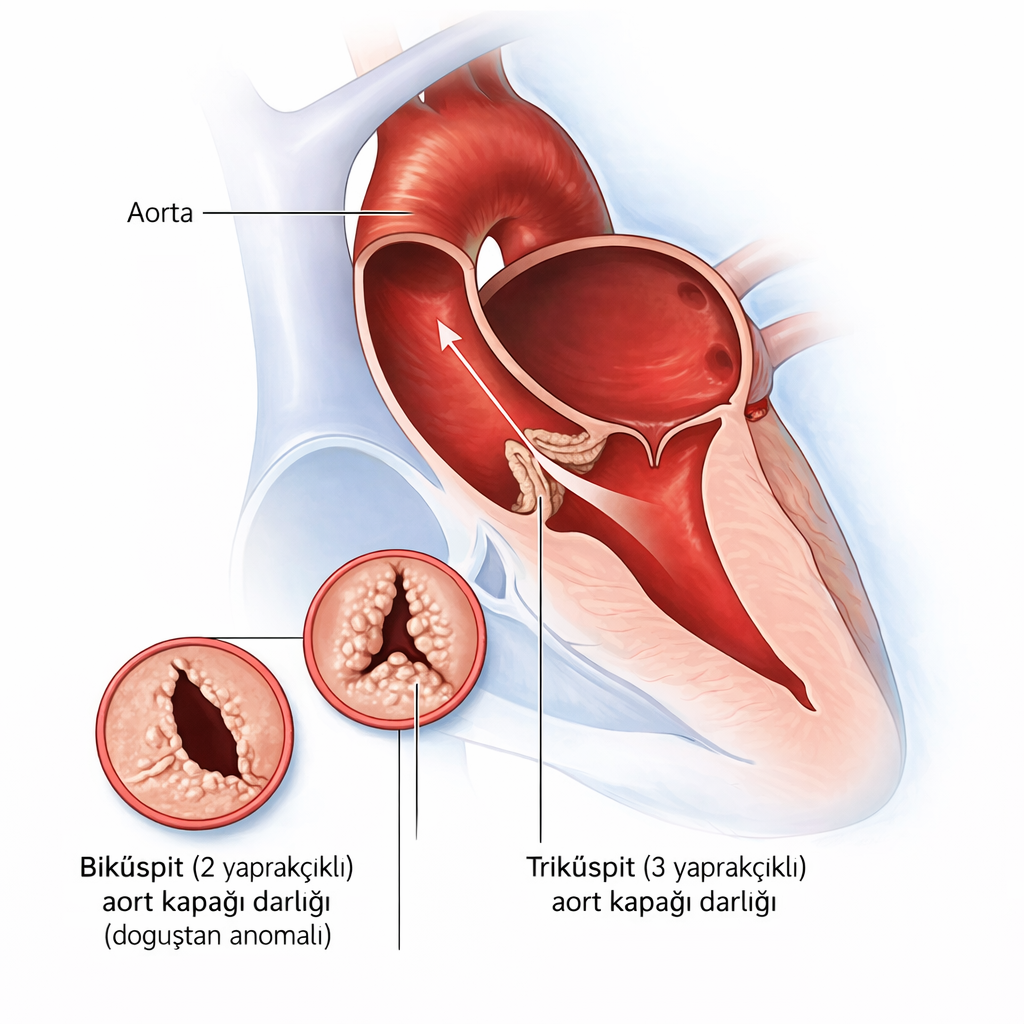
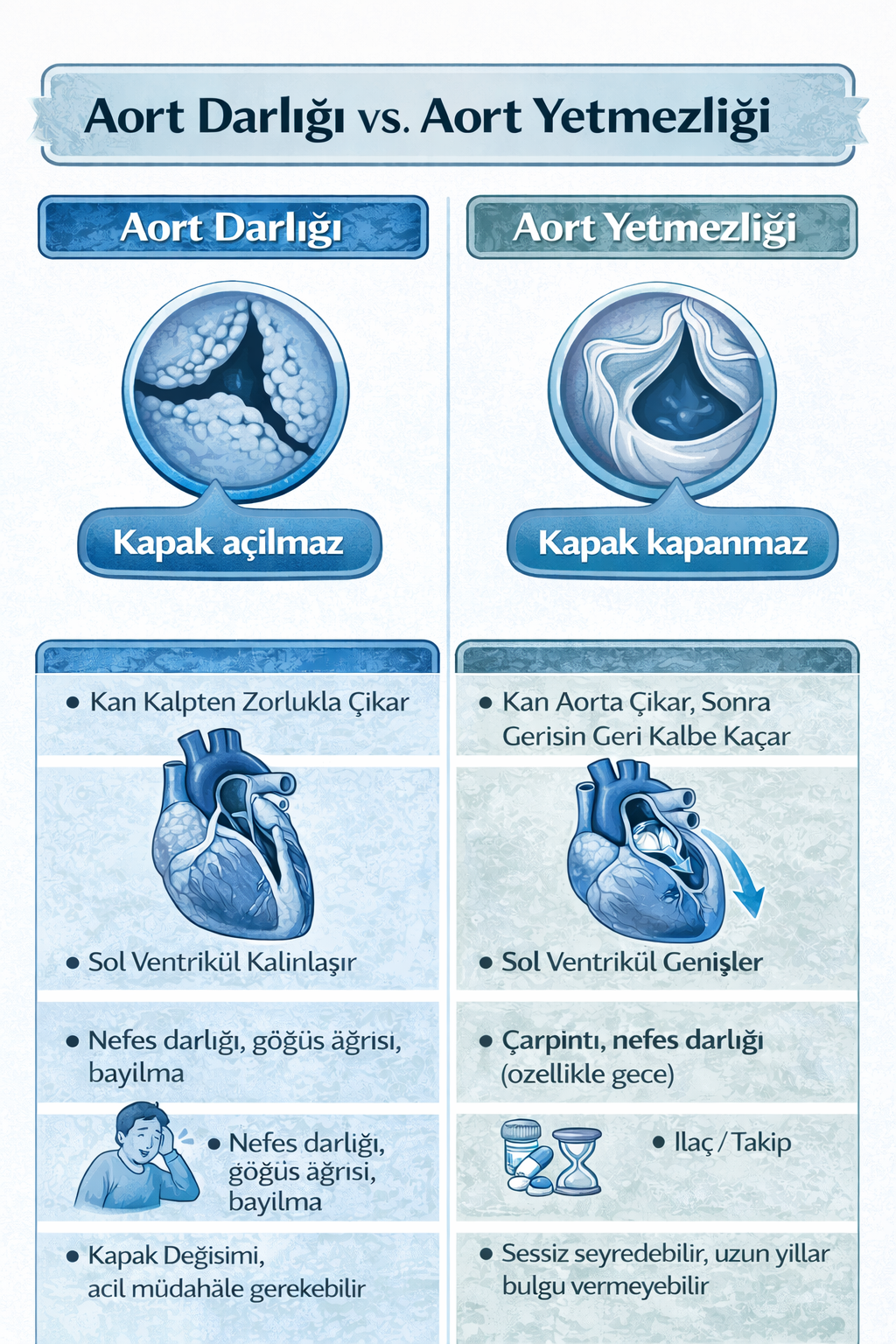
The aortic valve allows oxygen-rich blood to leave the heart and move towards the body in one direction. Two main problems can develop: narrowing (aortic stenosis) and leakage (aortic regurgitation). Common causes of aortic valve disease include:
1. Age-Related Calcification
Calcium can build up on the valve with age, making the leaflets stiff and less able to open. This is a common cause of aortic stenosis, particularly in older adults.
2. Congenital Valve Differences: Bicuspid Aortic Valve
Some people are born with an aortic valve that has two leaflets instead of three. This can lead to earlier valve degeneration and valve disease at a younger age.
3. Infection: Endocarditis
Infection can damage the structure of the valve. It may cause rapidly developing valve leakage and can require urgent treatment.
4. Rheumatic Heart Disease
Rheumatic fever can damage the heart valves. Thickening and fusion of the leaflets may later cause narrowing or leakage.
5. Other Causes
Enlargement of the aorta, connective tissue disorders and trauma may contribute to aortic regurgitation. High blood pressure can increase stress on the aorta and heart.
A severely narrowed valve makes it harder for the heart to pump blood. A leaking valve allows some of the pumped blood to return, increasing the heart's workload. Severe valve disease may lead to heart failure, rhythm problems and serious complications. An intervention may be recommended according to symptoms, valve severity, heart function and specialist assessment.
What Types of Replacement Valve Are Used?
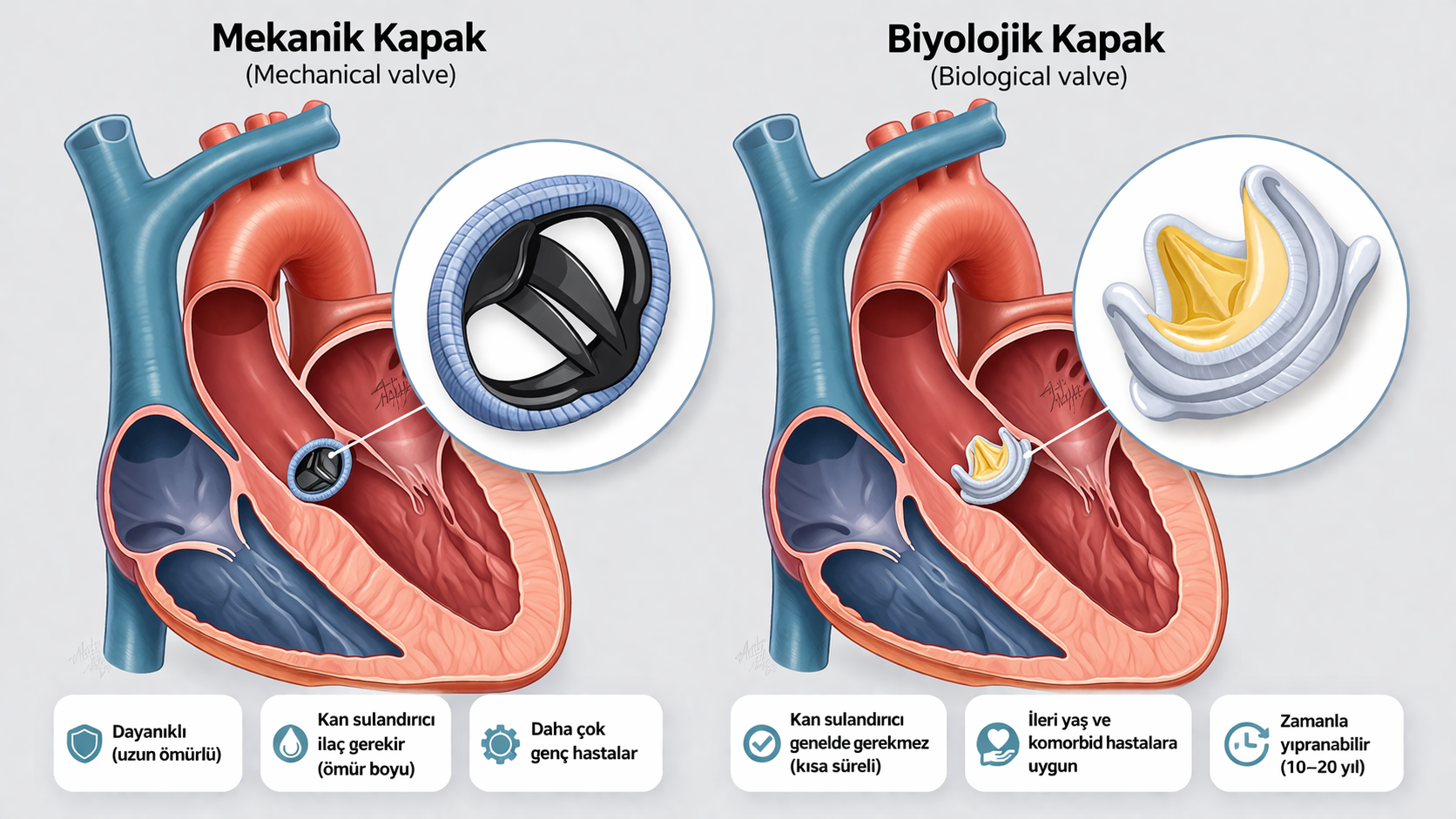
- Mechanical Valves: Mechanical valves are designed for long-term durability, but no valve is guaranteed to last a lifetime without complications. Lifelong anticoagulation with a vitamin K antagonist, usually warfarin, and regular monitoring are required to reduce clotting risk.
- Bioprosthetic or Tissue Valves: These are usually made from bovine or porcine tissue. They can deteriorate over time, particularly in younger patients, and may eventually need another intervention. Lifelong anticoagulation is not usually required solely because of a tissue valve, but other conditions such as atrial fibrillation may still require it. The medical team sets the antithrombotic plan.
What Procedures Are Available?
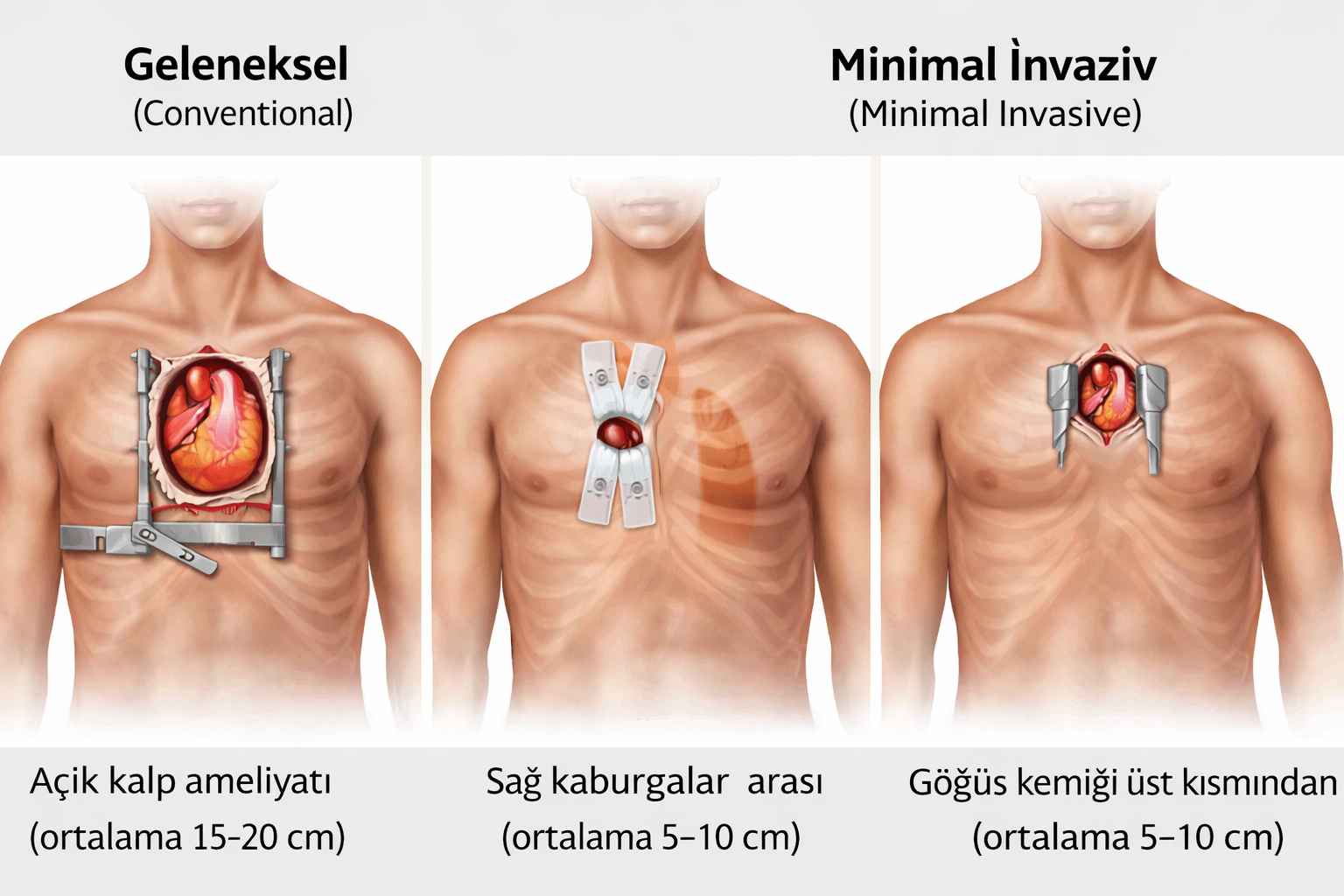
- Conventional Surgery: The surgeon accesses the heart through an incision along the breastbone. This is an established approach that also allows other necessary heart procedures to be performed.
- Minimally Invasive Surgery: Valve surgery may be performed through smaller chest incisions in suitable patients. This can offer recovery or comfort benefits, although it is still an operation and recovery varies.
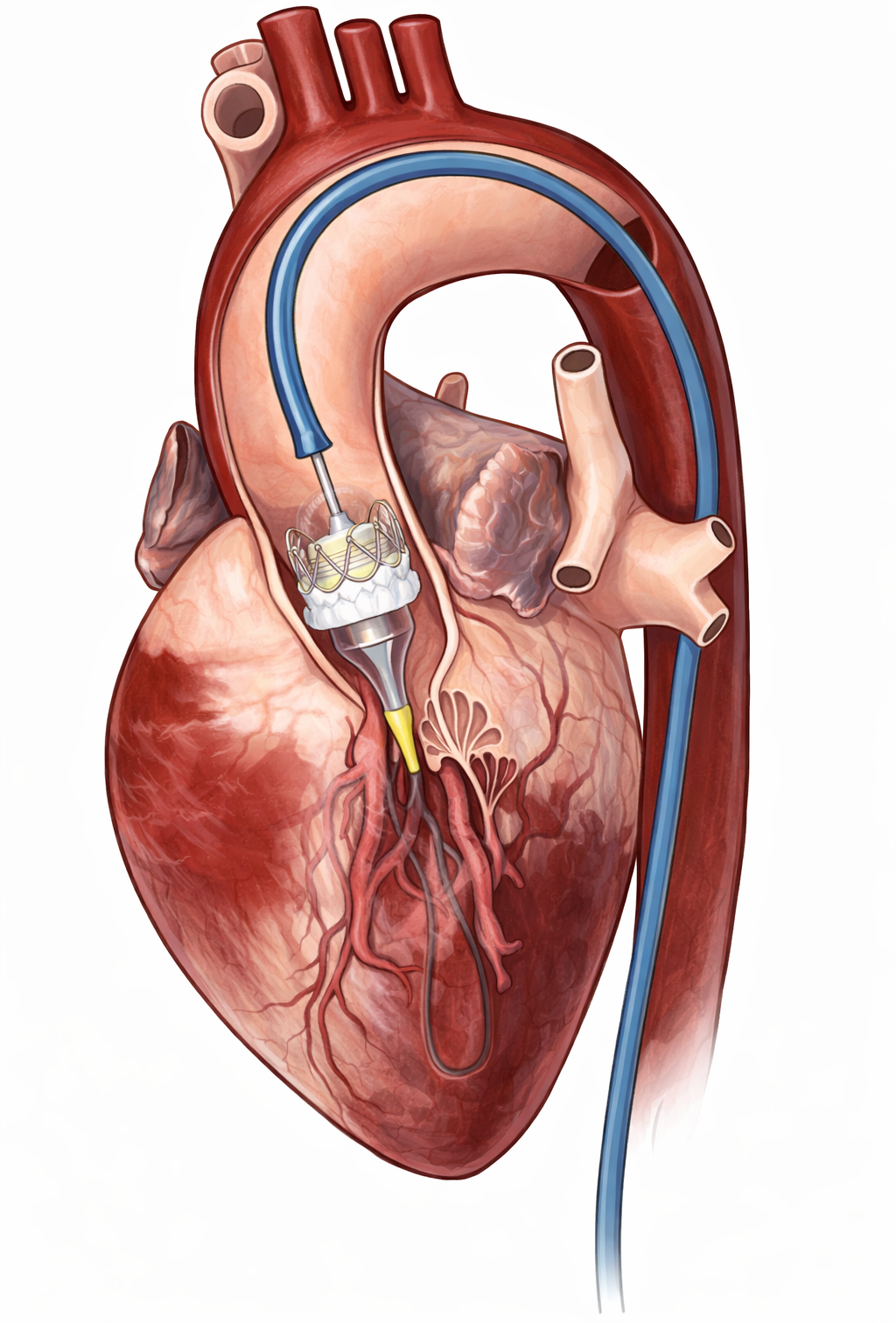
- Transcatheter Aortic Valve Implantation (TAVI): A replacement valve is delivered by a catheter, usually through an artery in the groin, without opening the chest. TAVI is an established option for selected patients with aortic stenosis; suitability is not determined by surgical risk alone.
Surgical Replacement or TAVI?
Two main replacement approaches are surgical aortic valve replacement (SAVR) and transcatheter aortic valve implantation (TAVI). The choice depends on the type of valve disease, age, overall health, anatomy, life expectancy and the long-term treatment plan.
When Might Surgery (SAVR) Be Favoured?
- Younger patients, particularly when surgical risk is low and long-term valve planning favours surgery
- Patients whose overall assessment supports a low-risk surgical approach
- Patients with a long life expectancy for whom durability and future interventions must be considered
- Bicuspid aortic valve anatomy that favours surgical treatment
- A need for another heart operation at the same time, such as coronary bypass or aortic surgery
- A preference or indication for a mechanical valve
- Anatomy that is unsuitable for TAVI
When Might TAVI Be Favoured?
- Older patients with suitable valve and vascular anatomy
- Patients for whom the balance of risks and benefits favours a catheter procedure, including some at low surgical risk
- Patients unsuitable for open surgery who may still benefit from valve intervention
- Selected patients who have previously undergone heart surgery
- Situations where avoiding a chest incision offers meaningful recovery benefits
- Selected patients with frailty, after assessment of whether intervention is likely to help
How Is the Decision Made?
A multidisciplinary Heart Team, including a cardiac surgeon, cardiologist and other specialists, assesses each case. Age, other illnesses, anatomy, life expectancy and patient preferences are considered together. The recommended approach is discussed with the patient.
How Long Does Recovery Take?
Hospital stay after surgical valve replacement is usually several days and depends on the procedure and recovery. Daily activities are resumed gradually. Full recovery after an operation through the chest often takes around two to three months, although this varies according to the procedure and the individual.
Recovery after TAVI is often quicker, and discharge may be possible within a few days if recovery is uncomplicated. Smaller-incision surgery does not guarantee a particular recovery time. Follow the team's advice about driving, lifting, work and exercise.
Follow-up appointments, prescribed medicines, cardiac rehabilitation when recommended, and lifestyle measures are important parts of recovery.
Frequently Asked Questions
Book an Appointment
Prof. Dr. Selim İsbir — Yeditepe University Koşuyolu Hospital


