
İçindekiler
Kalp ve Mitral Kapak Nasıl Çalışır?
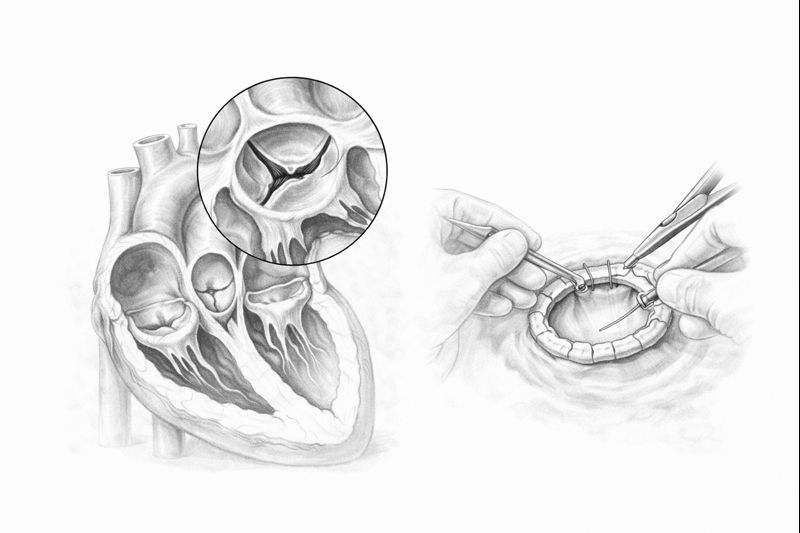
Kalbimiz, yaşam boyu durmaksızın çalışan dört odacıklı güçlü bir pompadır. Kanın bu odacıklar arasında doğru yönde ilerlemesini sağlayan dört ana kapak bulunur. Mitral kapak, bunların arasında stratejik öneme sahiptir.
Sol kulakçık (akciğerlerden gelen temiz kanın toplandığı yer) ile sol karıncık (kanı vücuda pompalayan ana oda) arasında yer alır. İki yaprakçıklıdır ve görünümü bir piskopos tacını (mitra) andırdığı için bu ismi almıştır. Kalbin gevşeme anında (diyastol) açılarak kanın karıncığa dolmasını sağlar; kasılma anında (sistol) ise tam kapanarak kanın geriye kaçmasını engeller.
Mitral Kapak Hastalıklarının Nedenleri
Mitral kapak hastalıkları kökenine göre genetik veya sonradan kazanılmış (edinsel) olarak iki ana grupta incelenir.
Doğuştan Gelen Nedenler ve MVP
Bazı bireylerde kapak yapısı doğumdan itibaren farklıdır (örneğin kleft mitral). Ancak bu grupta en sık karşılaşılan ve toplumda yaygın olan durum Mitral Kapak Prolapsusu (MVP)‘dur.
Mitral Kapak Prolapsusu (Çökme): Kapak yaprakçıklarının dokusu yapısal olarak gevşek ve esnektir. Kalp kasıldığında kapakçıklar sol kulakçığa doğru paraşüt gibi bombeleşir. Bu durum bazen zararsızdır ancak ileri evrelerde kapak tam kapanamaz ve ciddi mitral yetmezliğine neden olur. Genellikle genetik geçişlidir.
Sonradan Gelişen (Edinsel) Nedenler
- Romatizmal Ateş: Türkiye gibi gelişmekte olan ülkelerde en sık görülen nedendir. Çocukluk çağında geçirilen, iyi tedavi edilmemiş beta hemolitik streptokok boğaz enfeksiyonları, vücudun bağışıklık sistemini şaşırtır ve kalp kapaklarına saldırmasına neden olur. Yıllar sonra kapaklarda kalınlaşma, yapışma ve kireçlenme (mitral darlık) ile ortaya çıkar.
- Yaşlanma ve Kireçlenme: İleri yaşla birlikte kapak halkasında ve yaprakçıklarda dejeneratif kireçlenmeler oluşabilir.
- İskemik Kalp Hastalığı (Kalp Krizi): Kalp krizi sonrası, mitral kapağı tutan kasların veya liflerin (kordaların) hasar görmesi sonucu ani veya kronik kapak yetmezliği gelişebilir.
- Endokardit: Kalp içi zarının ve kapakların enfeksiyonudur. Kapak yapısını delerek veya bozarak acil müdahale gerektirebilir.
Hastalık Türleri: Darlık ve Yetmezlik
Mitral kapaktaki bozulma mekanik olarak iki şekilde karşımıza çıkar:
- Mitral Kapak Darlığı (Stenoz): Kapak yaprakçıkları kireçlenir veya birbirine yapışır. Kapak yeterince açılamaz (balık ağzı görünümü). Kan sol karıncığa geçmekte zorlanır ve sol kulakçıkta birikir. Bu basınç geriye, akciğerlere yansır ve nefes darlığına neden olur.
- Mitral Kapak Yetmezliği (Regürjitasyon): Kapak tam kapanamaz. Kalp her kasıldığında kanın bir kısmı vücuda giderken, önemli bir kısmı geriye kaçar. Kalp, vücudun ihtiyacını karşılamak için daha fazla çalışmak zorunda kalır ve zamanla büyür (kalp genişlemesi).
Vücudun Verdiği Sinyaller: Belirtiler
Hastalık erken evrelerde sessiz ilerleyebilir. Ancak kalbin rezervleri tükendiğinde şu şikayetler başlar:
- Nefes Darlığı: En belirgin bulgudur. Başlangıçta eforla (yürüyüş, merdiven) olurken, ilerleyen dönemde istirahatte ve özellikle gece yatarken görülür.
- Çarpıntı: Mitral darlığı ve yetmezliği, sol kulakçığı genişleterek Atriyal Fibrilasyon adı verilen ritim bozukluğuna zemin hazırlar.
- Çabuk Yorulma: Dokulara yeterli oksijen taşınamadığı için halsizlik görülür.
- Hemoptizi: İleri derece darlıklarda akciğer basıncı çok artarsa ağızdan kanlı balgam gelebilir.
- Ödem: Sağ kalp yetmezliği de eklenirse bacaklarda şişlik oluşur.
Tanı Yöntemleri
Tanı süreci kardiyoloji uzmanının muayenesi ile başlar. Stetoskop ile duyulan üfürüm, kapak hastalığının ilk işaretidir.
- Ekokardiyografi (EKO): Tanının temelidir. Kapağın yapısı, darlığın veya kaçağın derecesi net olarak ölçülür.
- Transözofageal EKO (TEE): Yemek borusundan yapılan bu işlem, özellikle mitral kapağın arka komşuluğundan çok net görüntü alınmasını sağlar. Ameliyat veya tamir kararı verilecekse mutlaka uygulanır. Pıhtı varlığını kontrol etmek için de elzemdir.
- Koroner Anjiyografi: 40 yaş üstü hastalarda ameliyat öncesi kalp damarlarında tıkanıklık olup olmadığını kontrol etmek için yapılır.
Tedavi Seçenekleri
Tedavi stratejisi; hastalığın ciddiyetine, hastanın yaşına ve ek hastalıklarına göre kişiye özel belirlenir.
İlaç Tedavisi
Kalbin yükünü hafifletir, hastalığı düzeltemez.
Kapak Tamiri
Kendi kapak korunur, kan sulandırıcı gerekmez.
Kapak Değişimi
Mekanik veya biyolojik protez kapak takılır.
Minimal İnvaziv / Robotik
Küçük kesilerle, hızlı iyileşme, iz bırakmaz.
MitraClip
Kasıktan girilerek kapak yaprakçıkları mandallanır.
1. İlaç Tedavisi ve Takip
Mekanik bir sorun olan kapak hastalığını ilaçlar düzeltemez, ancak kalbin yükünü hafifletir. İdrar söktürücüler (ödemi atar), ritim düzenleyiciler ve pıhtı önleyici kan sulandırıcılar kullanılır. Hafif vakalarda düzenli EKO takibi yeterlidir.
2. Mitral Kapak Tamiri (Plasti)
Günümüzde cerrahideki altın standarttır. Özellikle dejeneratif yetmezliklerde ve MVP hastalarında, hastanın kendi kapağı korunarak onarım yapılır.
Kimlerin mitral kapak tamirine uygun olduğu, onarım yöntemleri ve avantajları için Mitral Kapak Tamiri Rehberini inceleyebilirsiniz.
3. Mitral Kapak Değişimi (Replasman)
Kapak aşırı kireçli veya tamir edilemeyecek kadar bozuksa (özellikle romatizmal darlıklarda), yapay kapakla değiştirilir.
- Mekanik Kapak: Çok dayanıklıdır, ömür boyu kalır ancak sürekli kan sulandırıcı (Coumadin/Warfarin) kullanımı gerektirir.
- Biyolojik Kapak: Hayvan dokusundan üretilir. Kan sulandırıcı gerektirmez ancak 10–15 yıl ömrü vardır. Yaşlı hastalarda tercih edilir.
Ameliyat planlaması, tamir ile değişim arasındaki seçim, kesi seçenekleri ve iyileşme süreci için Mitral Kapak Ameliyatı Hasta Rehberini inceleyebilirsiniz.
4. Minimal İnvaziv ve Robotik Cerrahi
Teknolojinin getirdiği en büyük konfordur. Göğüs kemiği kesilmeden, sağ koltuk altından veya meme altından yapılan 4–5 cm’lik küçük kesilerle ameliyat gerçekleştirilir. Robotik cerrahide ise cerrah konsol başından kolları yönetir.
- Daha az ağrı ve kanama olur.
- İyileşme süresi çok daha hızlıdır.
- Kozmetik sonuçlar mükemmeldir; büyük ameliyat izi kalmaz.
5. Ameliyatsız Yöntem: MitraClip
Açık kalp ameliyatı riski çok yüksek olan (ileri yaş, böbrek yetmezliği vb.) hastalarda uygulanır. Kasıktan anjiyo yapar gibi girilerek, mitral kapağın kaçıran iki yaprakçığı bir “mandal” ile birbirine tutturulur. Bu sayede kaçak azaltılır ve hasta kısa sürede taburcu edilir.
Tedavi Edilmezse Ne Olur?
Mitral kapak hastalıkları mekanik bir sorundur ve zamanla ilerler. Müdahale edilmezse:
Aklınızda Başka Sorular mı Var?
Ameliyat riskleri, iyileşme süreci, MitraClip yöntemi ve mekanik/biyolojik kapak seçimi hakkında hastalarımızın en çok merak ettiği 25 soruyu ve detaylı cevaplarını özel bir sayfada topladık.
Tüm Soruları ve Cevapları İnceleyin →Sık Sorulan Sorular
Randevu Almak İçin
Prof. Dr. Selim İsbir — Yeditepe Üniversitesi Koşuyolu Hastanesi


